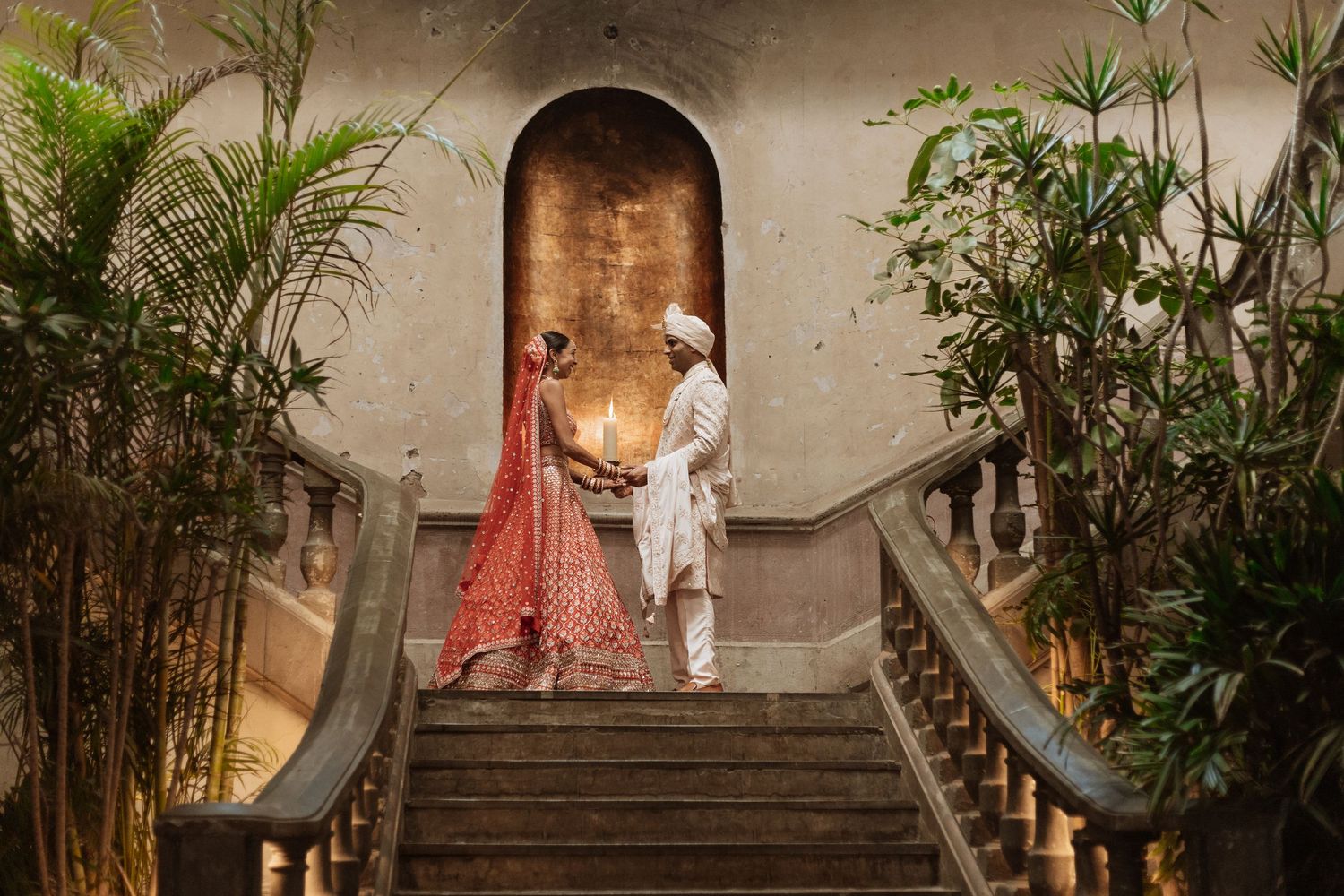
INDIAN WEDDINGS: A CELEBRATION OF COLOR, RITUAL, AND CINEMATIC MAGIC
Attending an Indian wedding is like immersing yourself in a universe where tradition becomes art, and every gesture is charged with symbolism. It's not just a ceremony: it's a sequence of rituals that celebrate love, spirituality, and family unity through music, color, and visual beauty. From the first stroke of henna to the last note of the sangeet, every moment is designed to move, connect, and dazzle.
These weddings aren't limited to a single day. They are celebrations that extend over entire days, each with its own meaning, aesthetic, and energy. The cultural richness is evident in the textiles, jewelry, aromas, flavors, and, above all, in the visual narrative that is built in every corner. For photographers, creatives, and lovers of well-told stories, Indian weddings offer a setting where the ancient and the contemporary coexist harmoniously.
In this blog, we explore the most iconic rituals of Indian weddings, from the haldi ceremony to the sacred saptapadi, revealing how each contributes to an experience that transcends ceremony and becomes a living work of art.
THE HALDI CEREMONY – PURIFICATION AMONG LAUGHTER AND COLOR
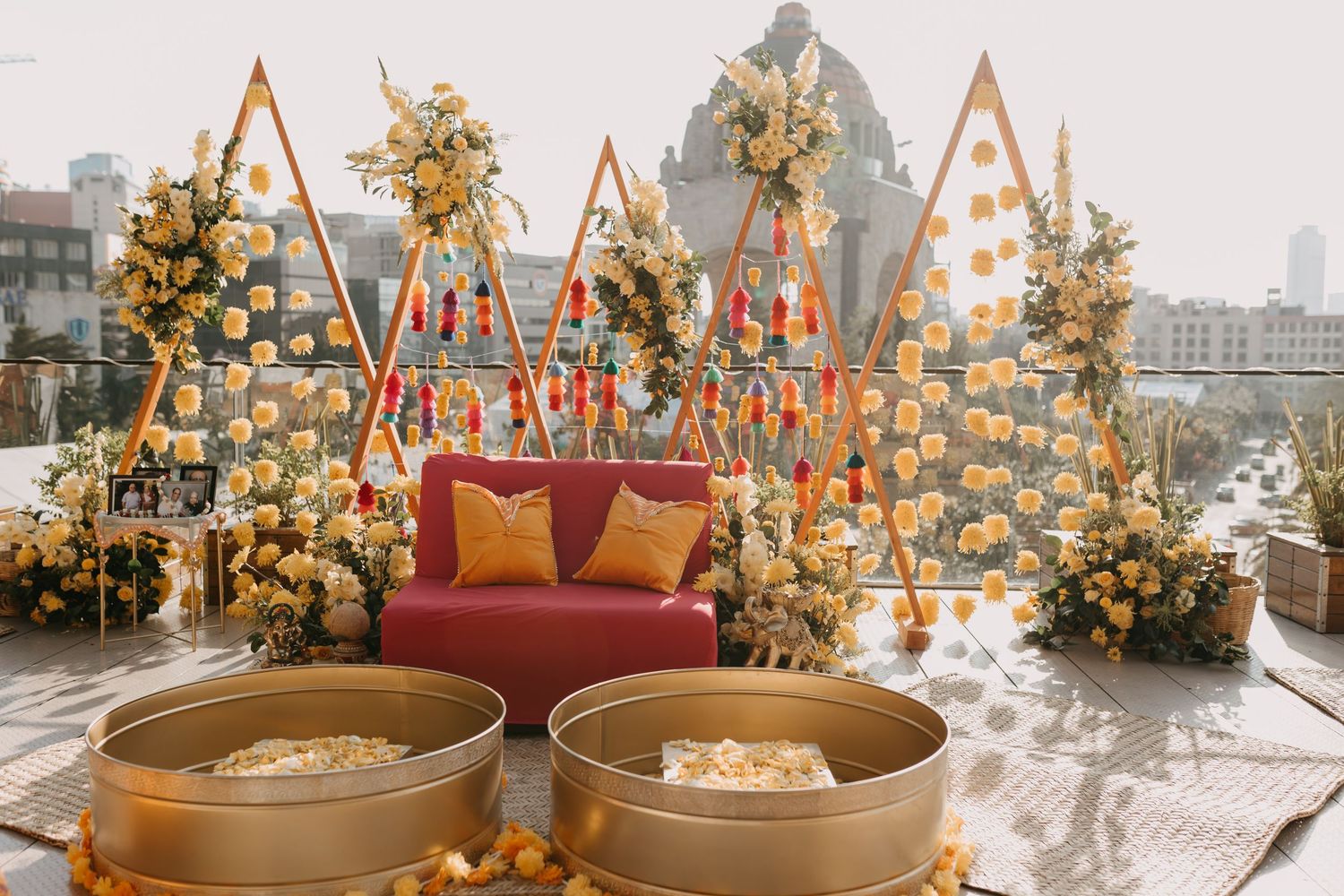
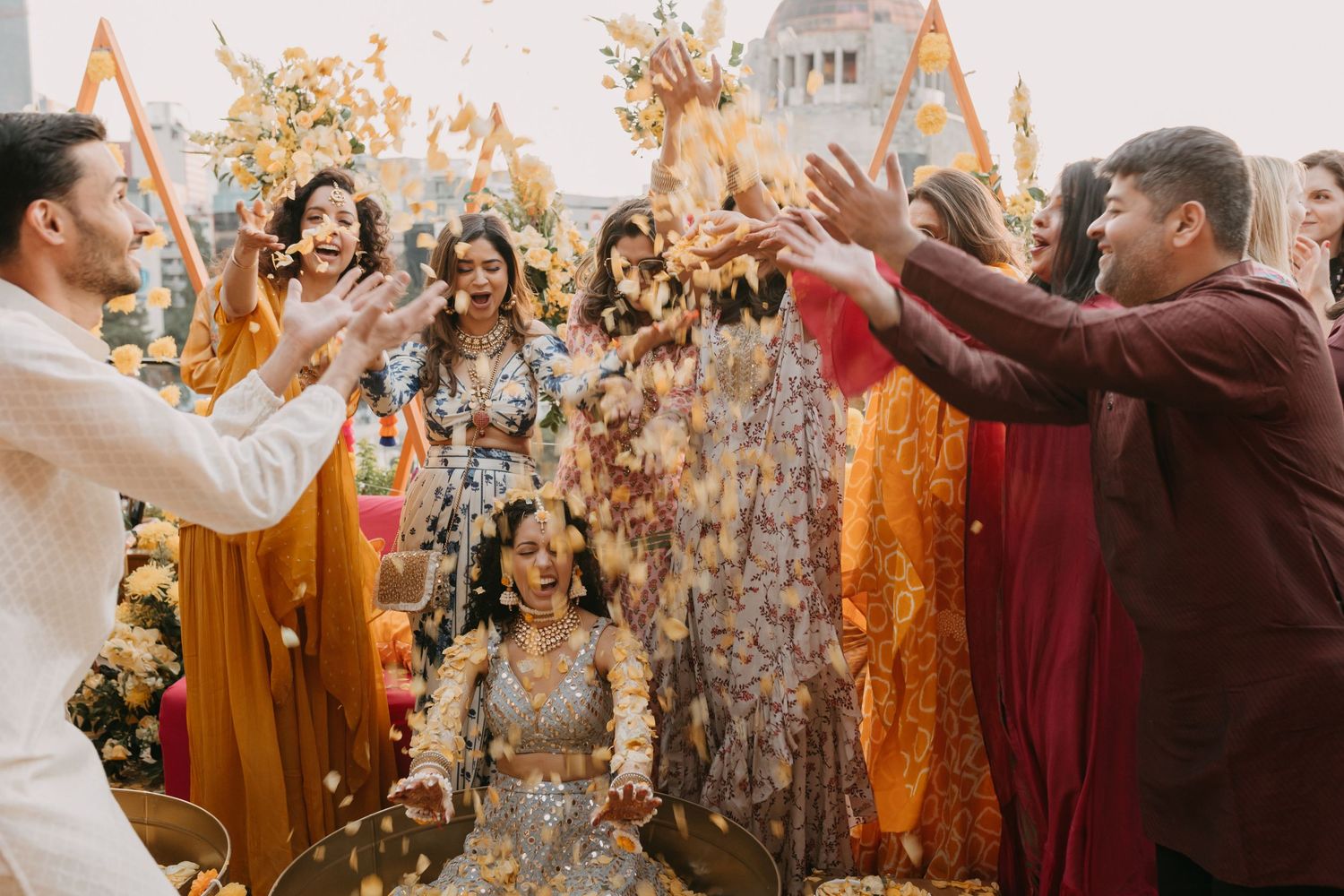
Haldi is much more than a cosmetic preparation. This golden paste, made of turmeric, sandalwood, and rose water, is applied to the skin of the bride and groom as a symbol of spiritual protection and good fortune. Yellow, the central color of the ritual, represents joy, energy, and new beginnings. The ceremony is usually held at home or in gardens decorated with vibrant fabrics, marigold flowers, and colorful cushions. The golden texture of haldi, lovingly applied by family members, creates an atmosphere of closeness and blessing. Photographs of this moment often capture spontaneous smiles, hugs, and intergenerational play. It is the first act that marks the beginning of a spiritual and aesthetic transformation.
MEHNDI – THE ART THAT BLESSES THE BRIDE
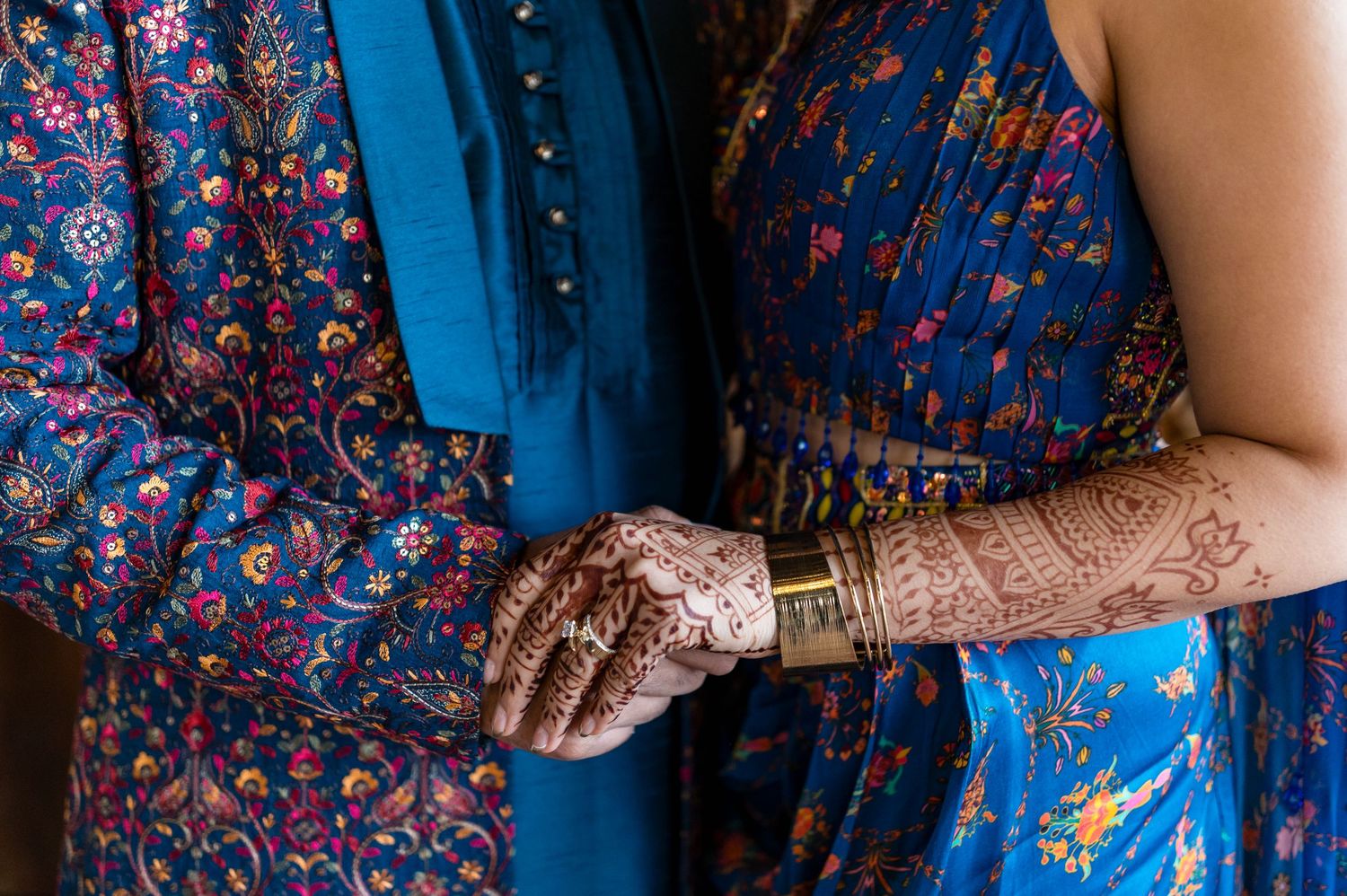
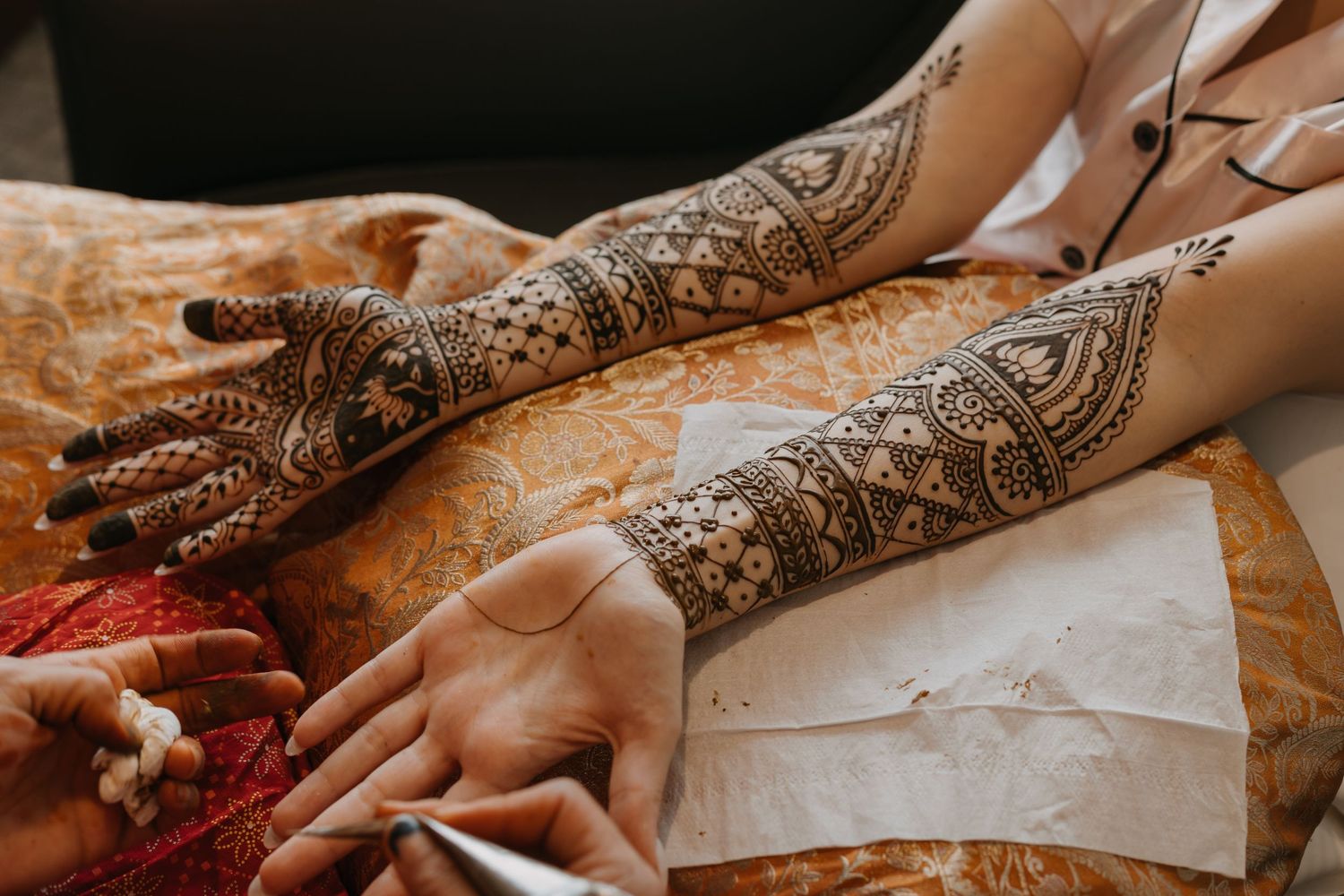
Mehndi night is a celebration of femininity, creativity, and ancestral connection. The bride's hands and feet become canvases for henna designs that can include symbols of fertility, love, protection, and even the initials of her future husband hidden among the strokes. Women nearby also receive henna, and the atmosphere is filled with traditional music, traditional sweets, and intimate conversations. The scent of henna, mixed with traditional music and soft lights, transforms the evening into a sensorial ritual. Women share stories, advice, and songs while they adorn themselves. It is a celebration of femininity, ritual beauty, and the connection between women.
SANGEET – WHERE MUSIC BRINGS FAMILIES TOGETHER
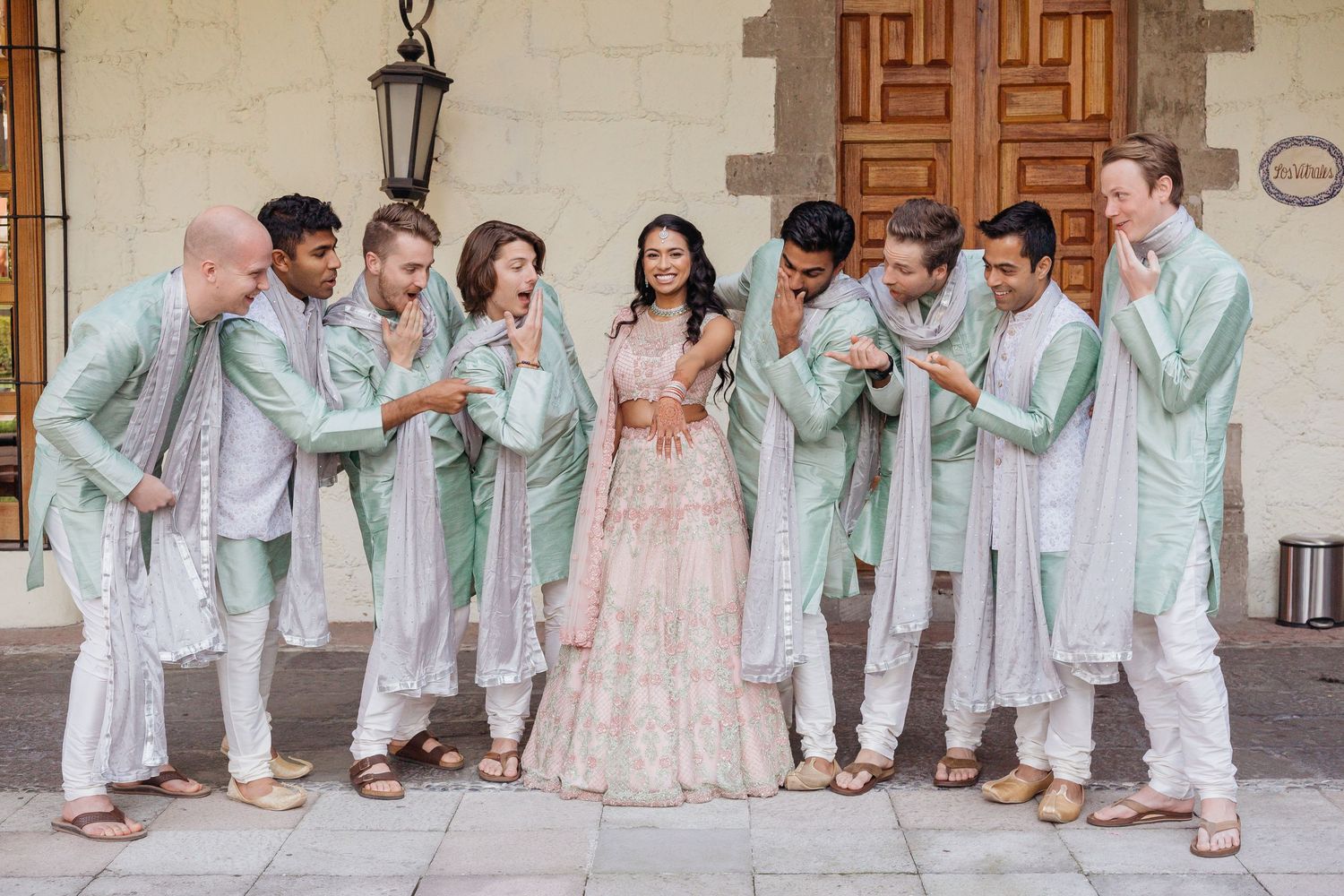
The sangeet is an explosion of joy. It's the moment when both families come together to celebrate through music and dance. The choreography is prepared weeks in advance, and each performance becomes an expression of affection, humor, and cultural pride. In modern weddings, the sangeet may include theatrical sets, professional lighting, and musical mixes ranging from folk to pop. Pre-sangeet rehearsals foster a bond between cousins, aunts, uncles, and friends. The stage becomes a catwalk of emotions, where each dance tells a story. It's a moment where families unite through rhythm and shared joy.
BARAAT – THE GROOM'S TRIUMPHANT ENTRY
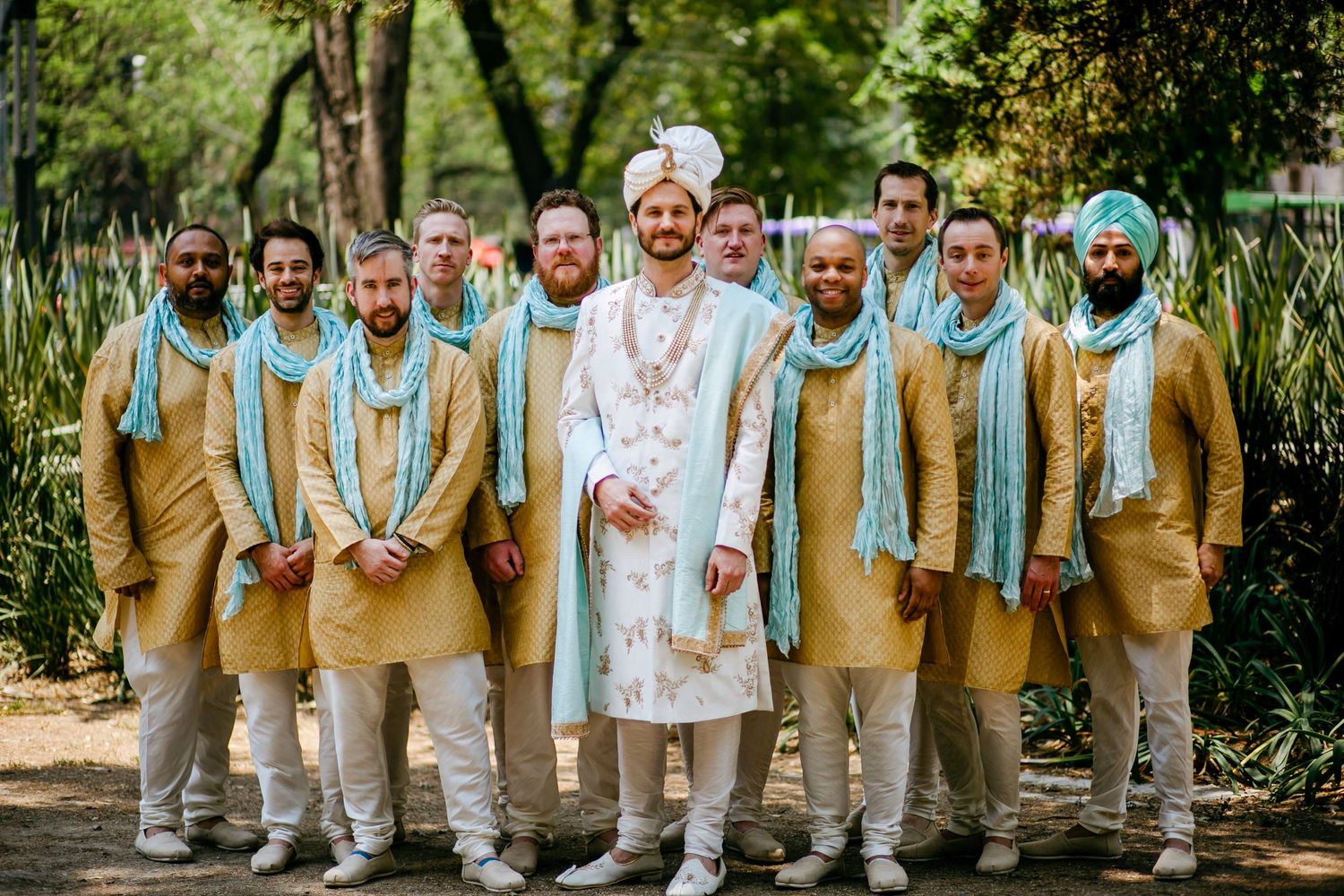
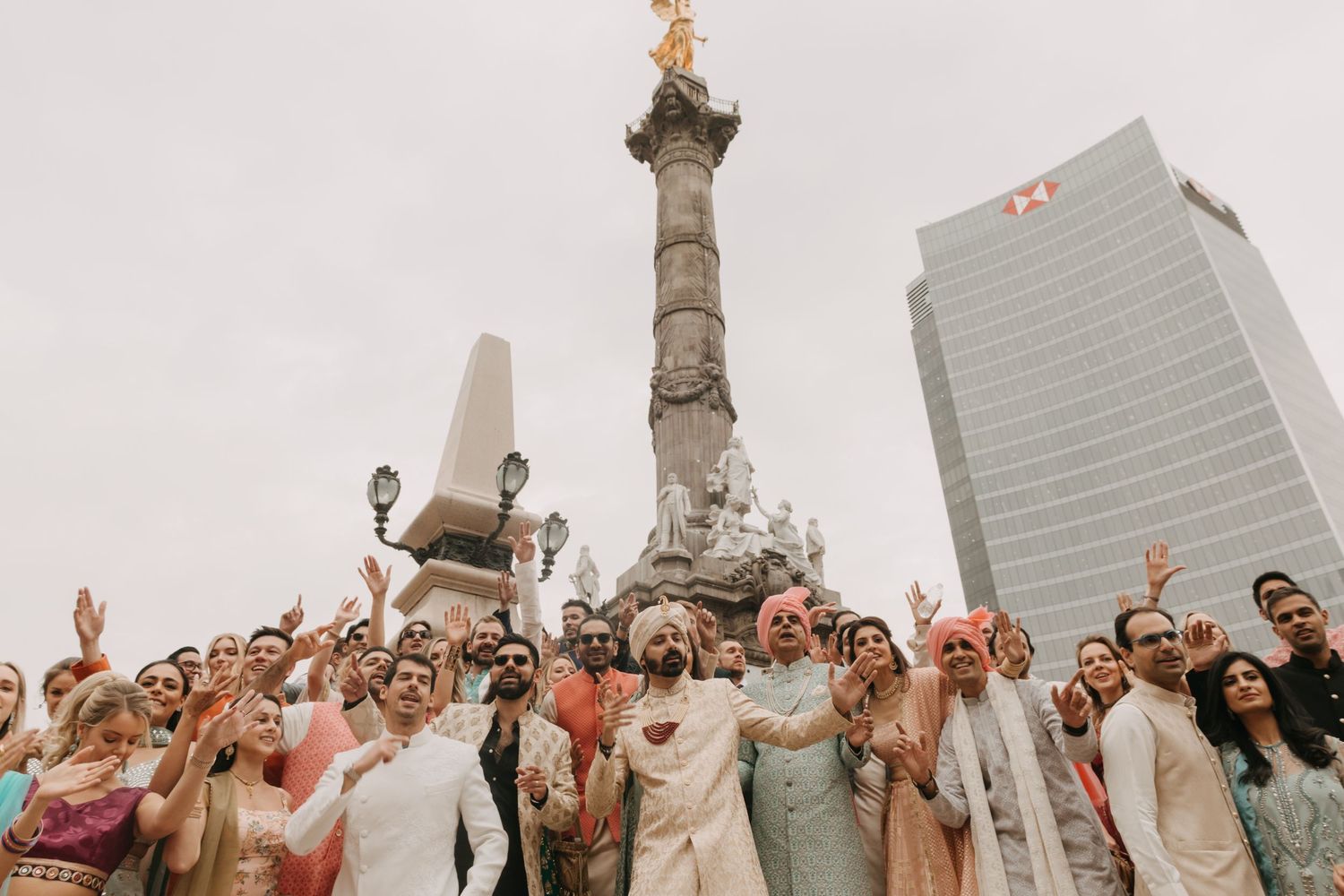
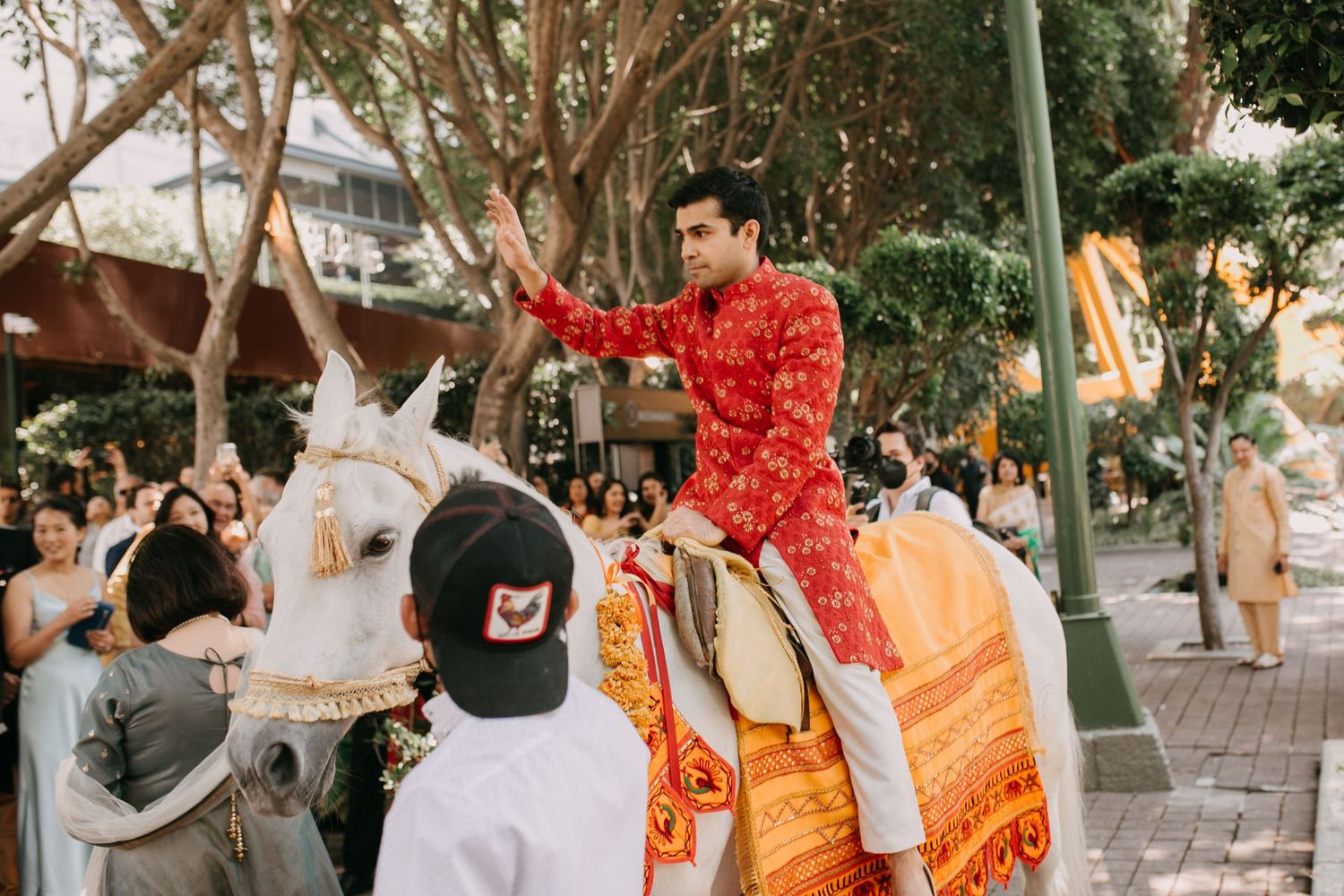
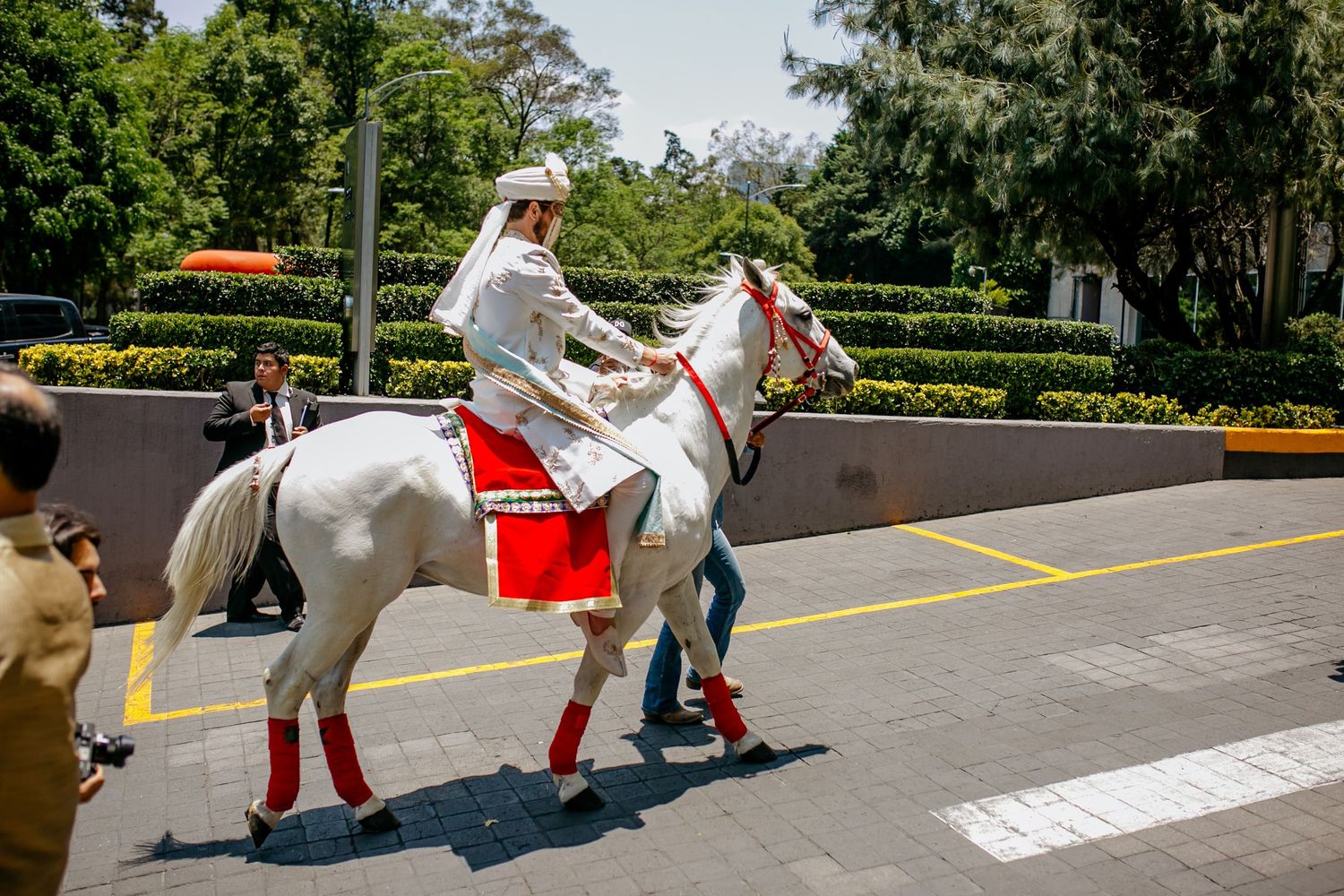
The baraat is a procession that marks the groom's arrival at the ceremony venue. Traditionally mounted on a white horse, the groom advances surrounded by family and friends dancing to the beat of drums (dhol) and festive music. In contemporary weddings, this entrance may include classic cars, decorated elephants, or even drones capturing the moment from above. The energy of the baraat is contagious: guests dance in the street, drums beat, and the groom smiles amid cheers. It is a public declaration of celebration, pride, and community. Every step of the procession is an affirmation of love and tradition.
MANDAP – THE ALTAR WHERE VOWS ARE CONSECRATED
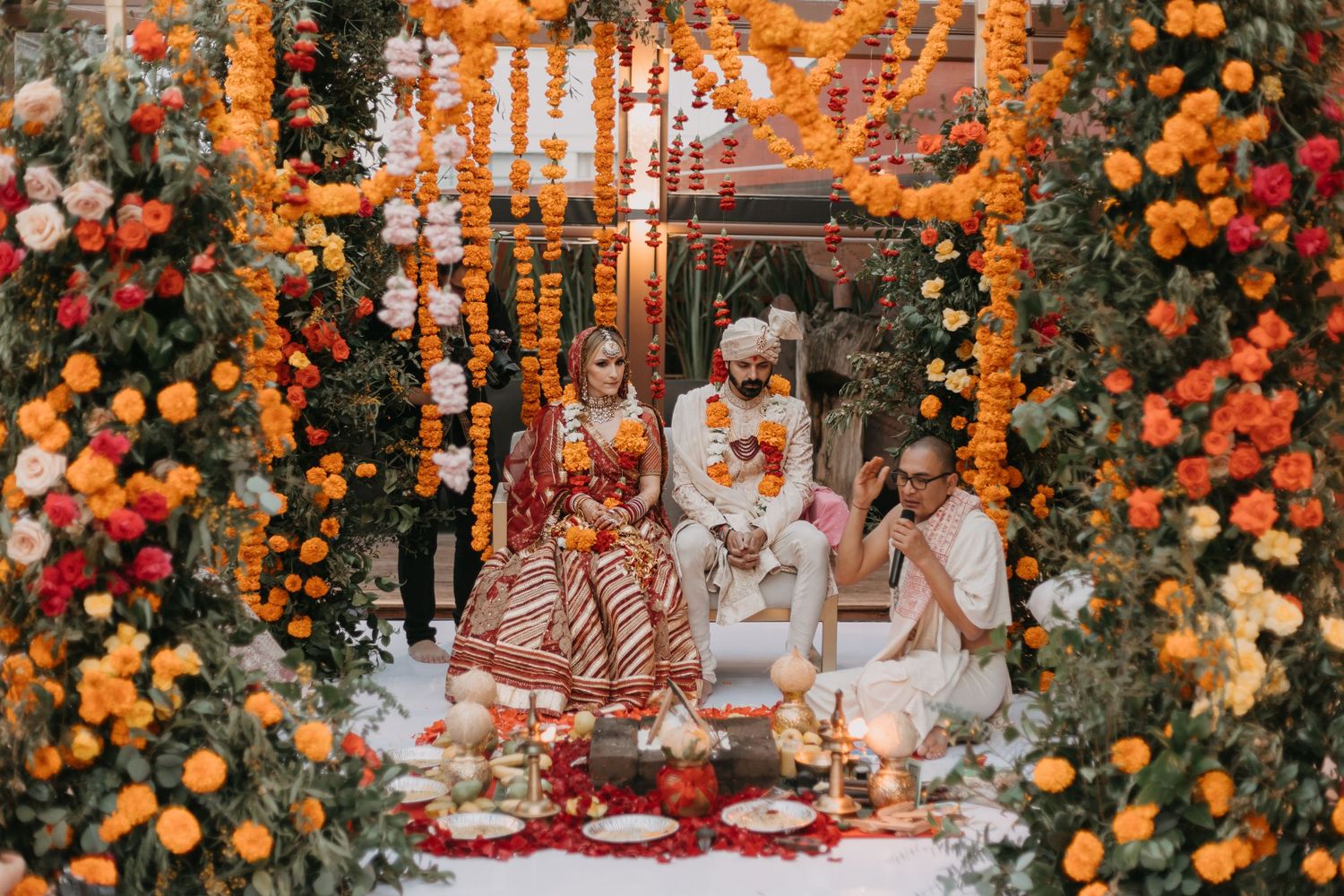
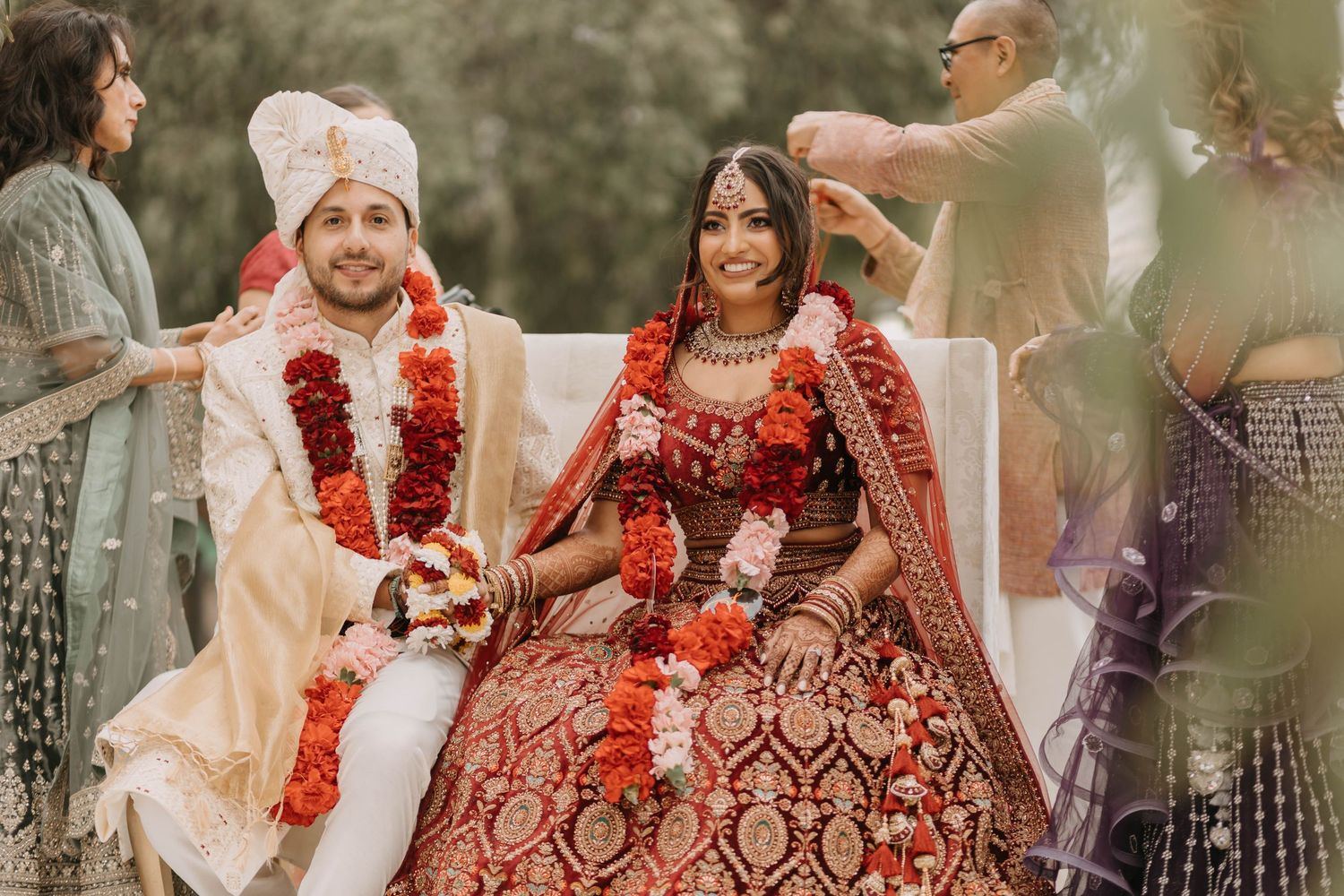
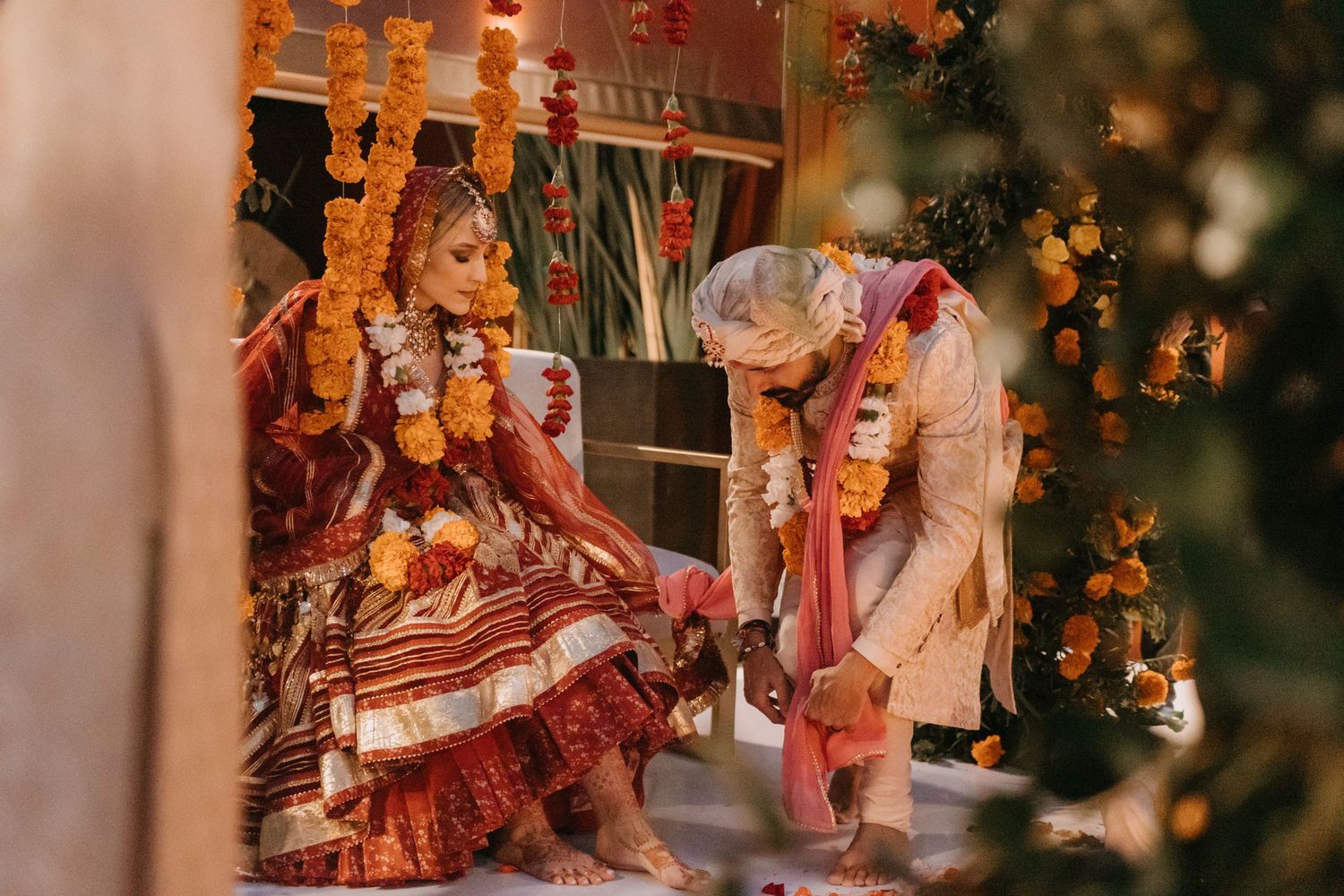
The mandap is the spiritual heart of the ceremony. This structure, decorated with flowers, fabrics, and sacred symbols, represents the universe and the pillars that sustain the couple's life. Under the mandap, the couple performs rituals such as the exchange of garlands (jaimala), the joining of hands (hastmelap), and the offering to the sacred fire (Agni). The mandap becomes a microcosm of spirituality, decorated with fresh flowers, embroidered fabrics, and ancestral symbols. Parents surround the couple, blessing each gesture. It is the space where the divine and the human meet in harmony.
SAPTAPADI – SEVEN STEPS TO ETERNITY
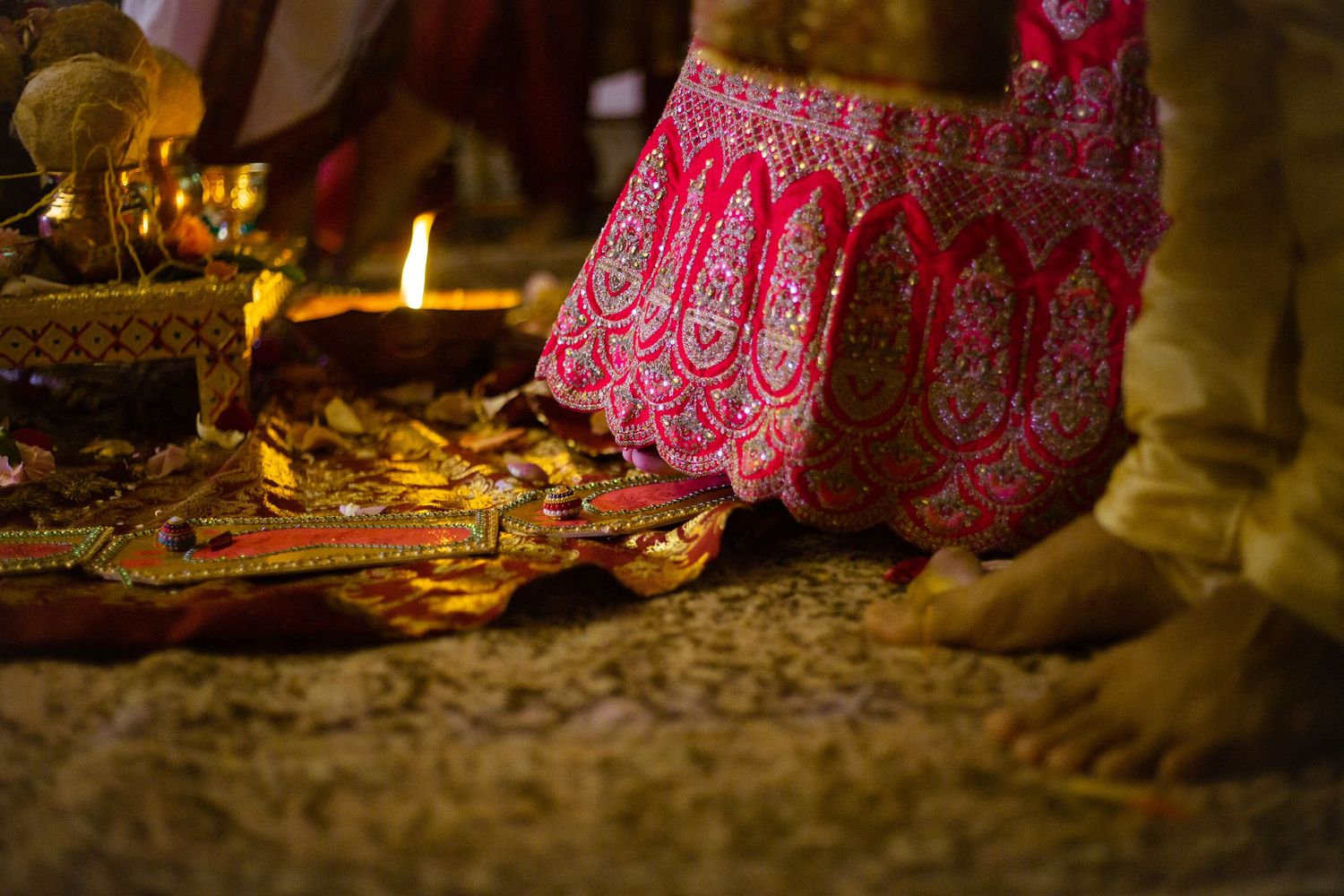
Saptapadi is one of the most solemn moments of the wedding. The couple circles the fire seven times, each accompanied by a vow: nourishment, strength, prosperity, wisdom, progeny, health, and eternal friendship. This ritual not only seals the marriage spiritually but also represents the commitment to walk together through all stages of life. Each step is accompanied by mantras invoking protection, prosperity, and union. The bride and groom's eyes meet in silence, sealing an eternal pact. It is the most sacred moment, where commitment becomes spiritual.
ATTIRE AND JEWELRY – EVERY THREAD HAS A MEANING
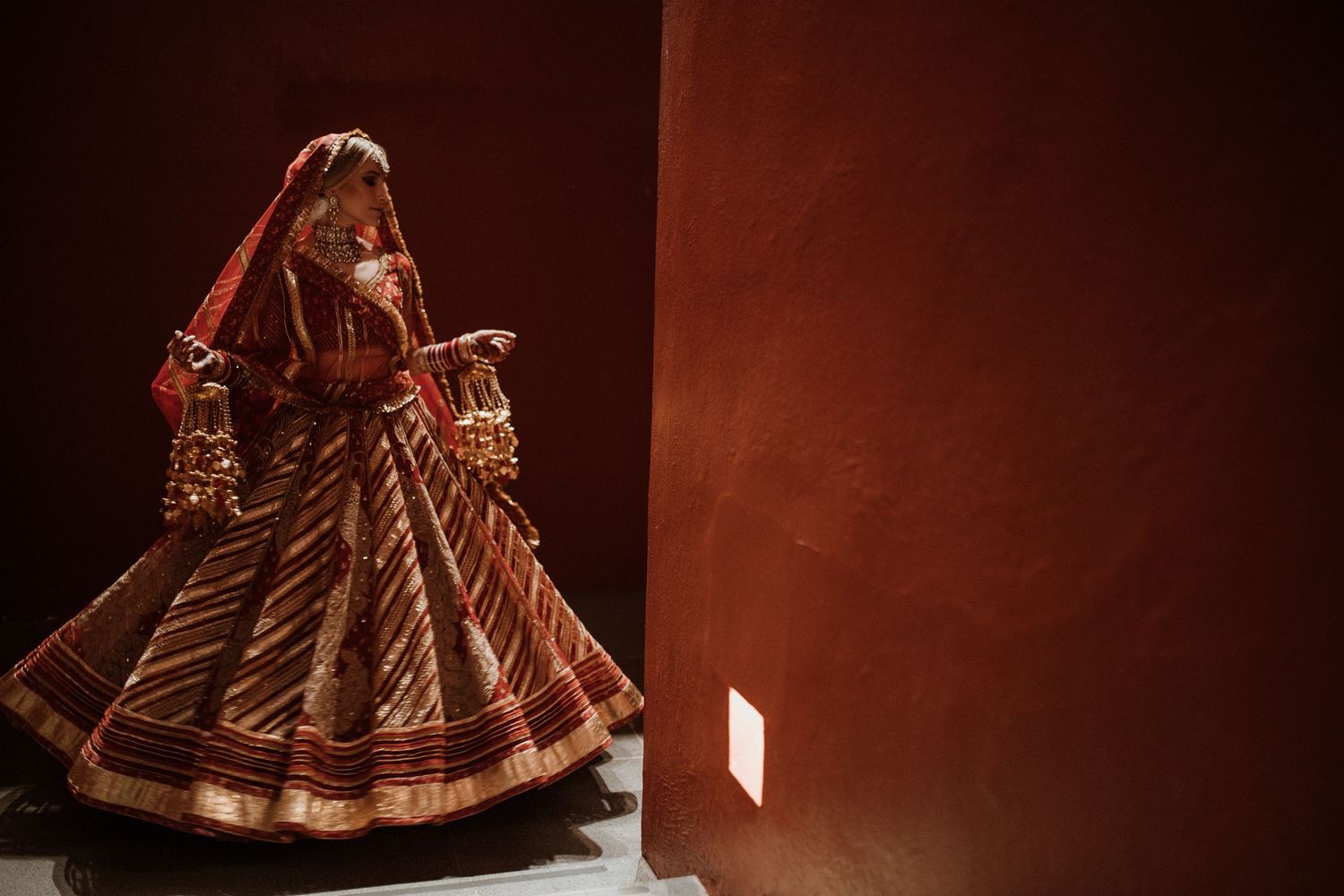
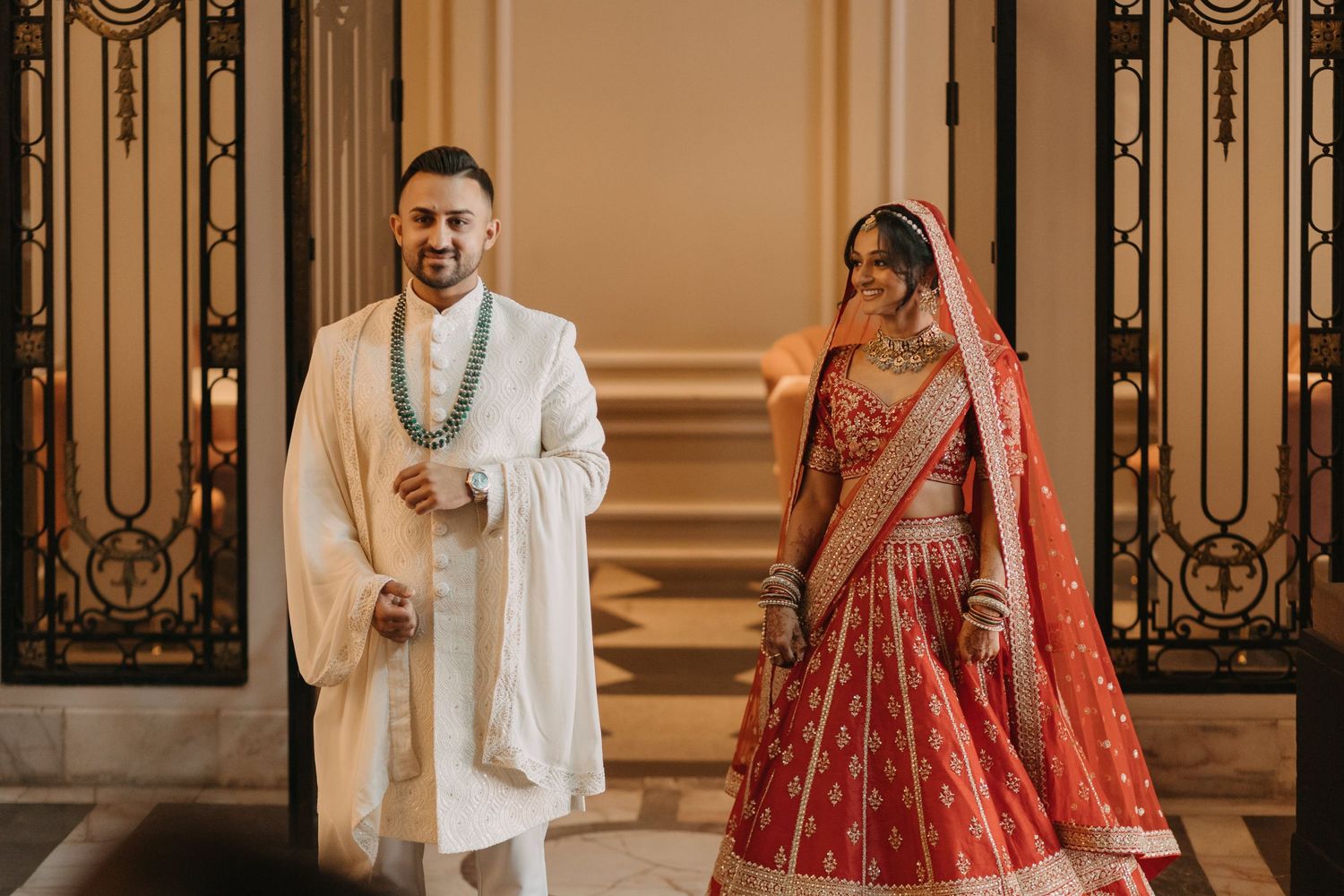
The bride's attire is a living work of art. The colors, embroidery, and accessories not only beautify, but also communicate. Red represents fertility and prosperity; gold represents spiritual wealth. Jewelry such as the maang tikka (forehead ornament), nath (nose ring), and chooda (red bangles) have specific meanings related to protection, commitment, and divine blessing. The embroidery reflects family histories, beliefs, and wishes. Each piece of jewelry is placed with intention, as part of an empowering ritual. The bride becomes an almost mythological figure, a bearer of beauty and meaning.
BANQUET AND HOSPITALITY – A CULINARY CELEBRATION
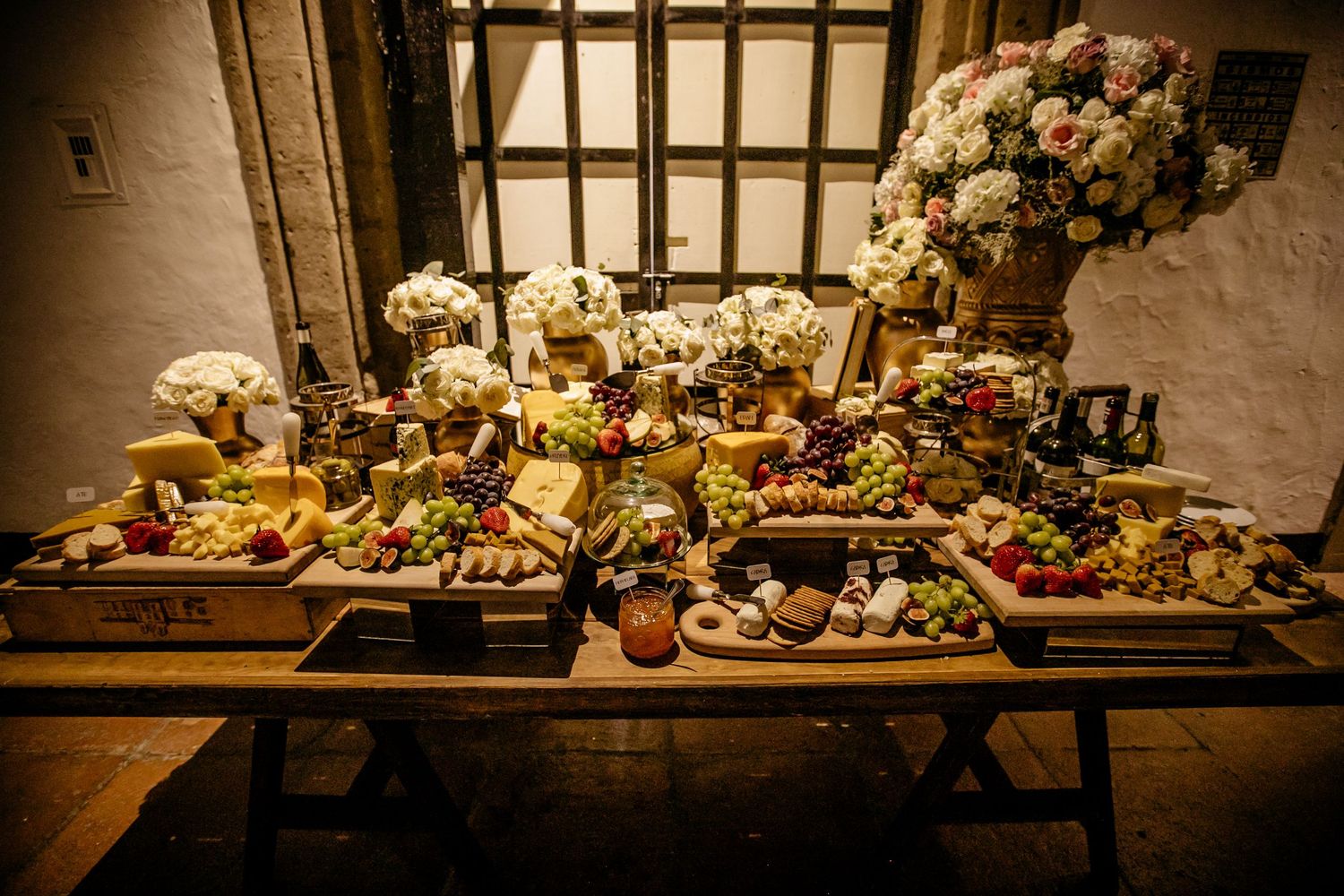
Food at an Indian wedding is a multisensory experience. Regional dishes, traditional sweets such as laddu, gulab jamun, or jalebi are served, and live food stations allow guests to interact with the flavors. Spicy aromas, vibrant colors, and artistic presentation transform the banquet into a sensorial experience. Guests feel cared for, celebrated, and part of something bigger. Eating together is sharing the abundance of love.
FUSION WEDDINGS – TRADITION WITH MODERN EXPRESSION
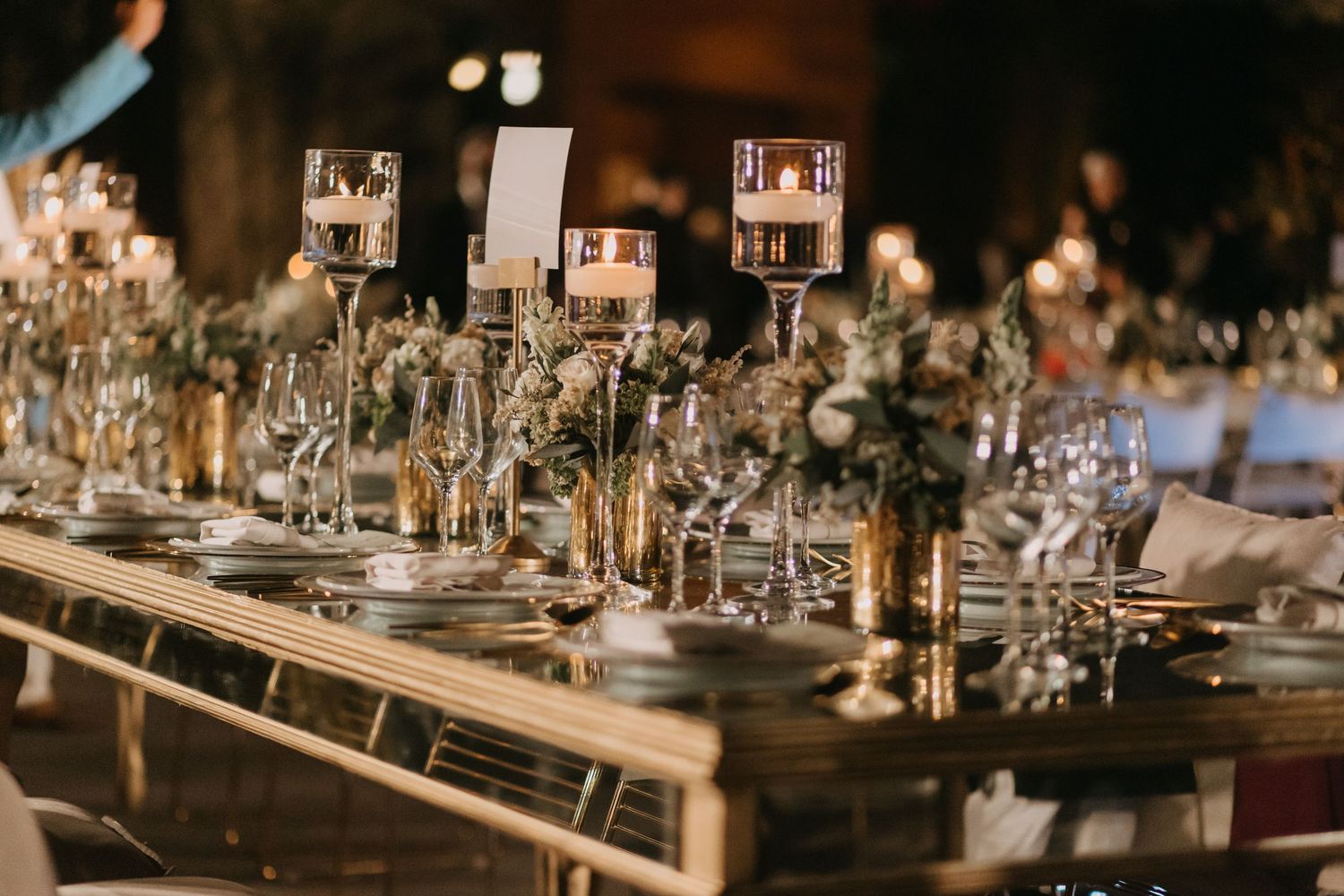
Contemporary Indian weddings are a reflection of a generation honoring its roots while embracing innovation. Minimalist mandaps, destination locations like Mexican haciendas, personalized playlists, editorial styling, and fusion banquets are just some of the ways couples are reinterpreting rituals. Couples choose elements that reflect their identity: from minimalist mandaps to bilingual playlists. The aesthetic becomes personal, without losing the ritual essence. It's a way of honoring legacy while writing a new story.
